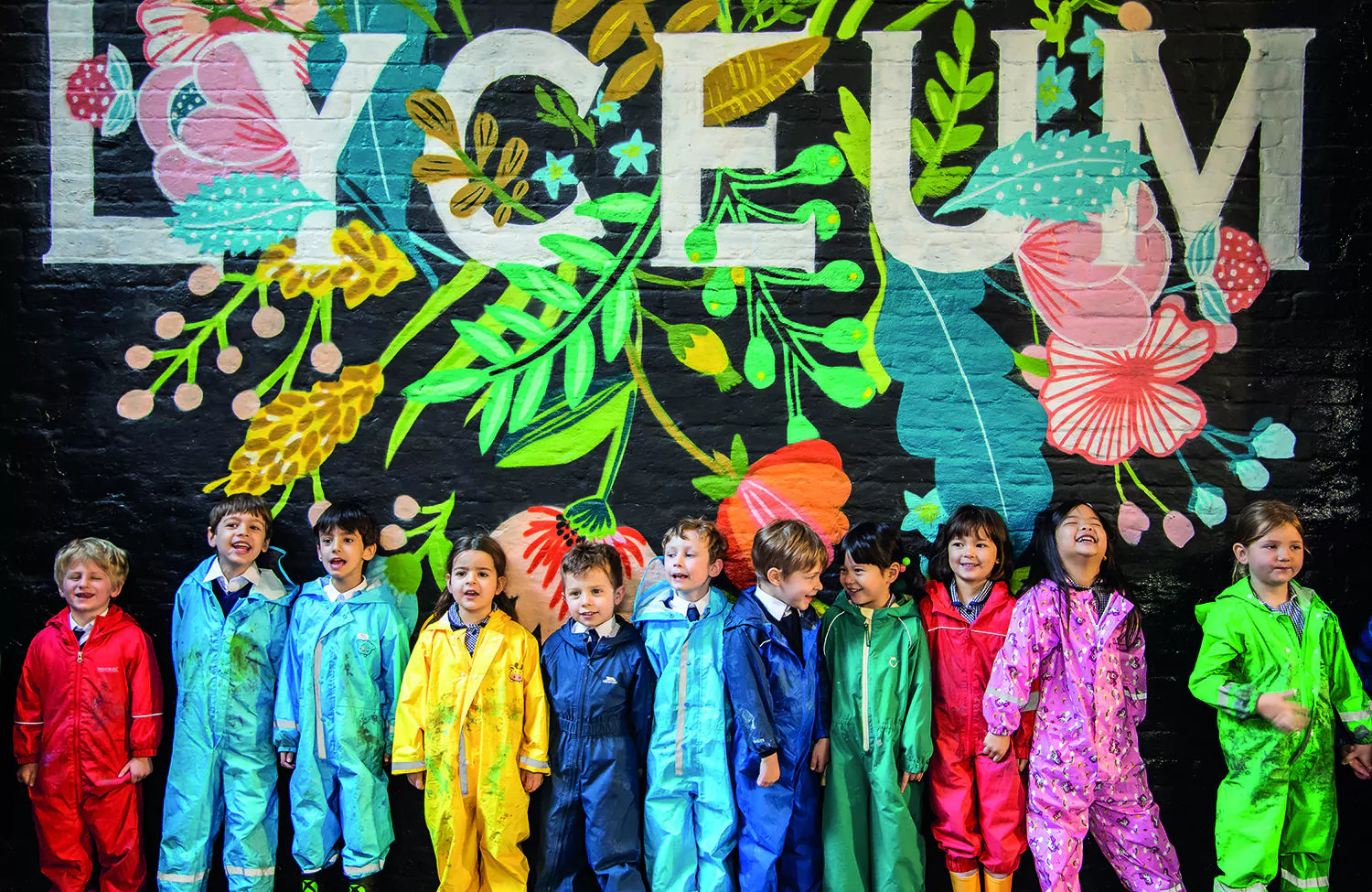
STEAM stands for Science, Technology, Engineering, Art and Maths. It is an interdisciplinary approach to learning in which children use all five subjects together to investigate, design, build and solve real problems. At The Lyceum School, our STEAM curriculum runs through the primary school years, with a weekly lesson from Reception to Year 6.

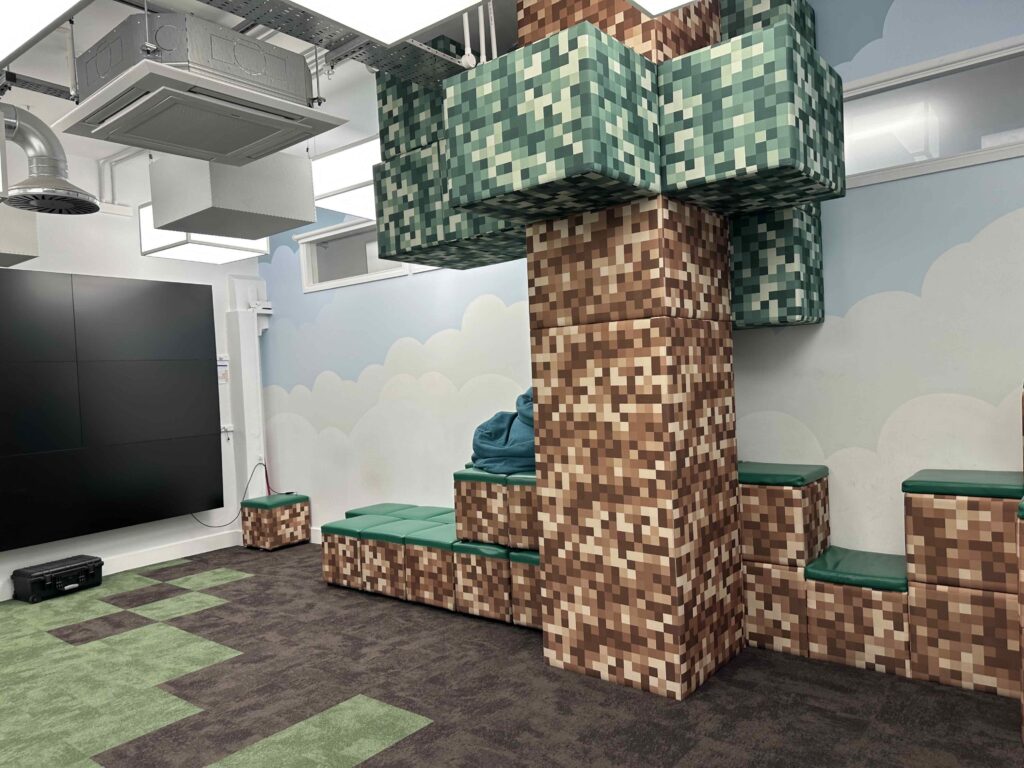
Aptly named “The Owlery” by one of our children, our STEAM room is a free-flowing, future-focused classroom where our pupils are given time and space to think creatively – it is also designed with a Minecraft-inspired tree!

Book an Open Morning and Tour The Owlery

STEAM at a Glance 

STEAM at a Glance  Details 
Space  The Owlery: a dedicated STEAM Studio with interactive screens and a Minecraft-inspired tree
Lead Paul Clifford, Head of STEAM and Computing 
Year groups  All year groups, from Reception to Year 6
Lessons  One lesson of STEAM and Computing per week
Tools  Google Classroom, coding, simple circuits and remote-controlled rovers 
Skills assessed  Critical thinking, creativity, collaboration and problem-solving 
Events  Annual STEAM Week and STEAM Fair with partner schools 


What Is STEAM Education?

STEAM education brings science, technology, engineering, art and maths together, rather than teaching them in separate boxes. A single project might ask children to research how something works, design a solution, write the code, build a prototype and present it, drawing on every subject along the way.

You may have heard of STEM – which covers science, technology, engineering, and maths. STEAM adds the Arts: design, creativity and communication. At The Lyceum School, we believe that “A” matters. The best engineers and scientists are also imaginative designers and clear communicators, and art gives children the confidence to experiment and to see more than one right answer.

Our aim is to develop a new generation of innovators, critical thinkers and resilient, creative problem-solvers, skills that will serve our pupils at senior school and long after.

Meet our Head of STEAM

Mr Clifford

Head of STEAM and Computing

Mr Clifford is a highly experienced teacher, maker and creative technologist. A qualified teacher, Paul has also worked in the cultural and heritage sector as the Digital Learning Manager at the British Museum and Museum of London, and as Schools Officer at the V&A, designing, delivering and evaluating STEAM learning activities, courses and projects.

He has worked for education companies and charities including Kano Computing, Open Futures and the Institute of Imagination. A guest lecturer at many UK and overseas universities he has also championed STEAM approaches at educational and cultural conferences all over the world.

Mr Clifford also designs and builds digital/physical products, interactives and games as well as running design and build workshops for a range of audiences in cultural, learning and creative environments.

An advocate for STEAM and maker culture, Mr Clifford is a passionate supporter of blended and applied learning.

Mr Clifford gives kids the freedom to explore and guides them with compassion during lessons. Learn more about him and our STEAM curriculum below:

Download STEAM Prospectus Here

Q&A with Paul Clifford

What is STEAM?

STEAM is an acronym for Science, Technology, Engineering, Art and Math and is a multi and interdisciplinary approach to learning and teaching. This holistic approach aims to provide students with a more well-rounded education by fostering creativity and critical thinking and emphasising the interconnectedness of these fields.

By fostering an environment where students can explore and integrate these disciplines, STEAM education aims to develop a new generation of innovators, critical thinkers and resilient and creative problem solvers equipped to tackle the challenges of the future.

What excites you most about your role at The Lyceum School?

This is a multi faceted role which, amongst other things, incorporates innovation, new and old technologies and concepts, cutting edge learning paradigms and real life learning but what most excites me is developing powerful and exciting learning opportunities with the pupils at the Lyceum.

What projects do the kids do during their year?

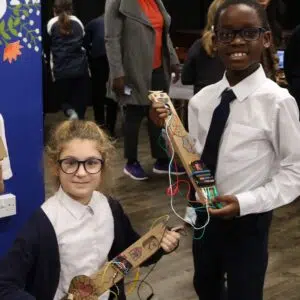
An array of projects designed to cover the subjects within STEAM using one or two as a focus and linking with other wider curricula for that year group. Projects include; building a remote controlled Mars rover that can navigate Martian terrain, and a musical instrument that uses simple circuits to trigger musical programs. mechanical automaton toys, designing and pitching innovative (Dragon Den’s style) and making geometric art with code.

We are constantly thinking of possibilities as well as giving agency to the pupils to create projects of their own.

How do you assess STEAM learning?

We use a combination of methods to capture a comprehensive picture of student learning. We evaluate not just content knowledge but also critical thinking, creativity, collaboration, problem solving and the ability to apply learning in integrated and innovative ways. We use Google Classroom to set and assess projects using uploaded work as well as observation of products they have made, peer and self assessment and presentations.

These are all added to the rubric we create in Google Classroom.

And finally, tell us what do you think STEAM at The Lyceum will look like in 3 years?

In three years we will have become an international champion of STEAM learning and the ‘Lyceum model’ will allow us to leverage new technologies, materials and techniques to keep redefining what STEAM learning is capable of and the incredible learning opportunities that it can deliver.

The new STEAM Centre at the Lyceum School, a leading London independent school.

Inside The Owlery: Projects by Year Group

Projects build in complexity as children move through the school, from exploring materials and simple patterns in Reception to designing, coding and pitching their own inventions in Year 6. Recent projects include:

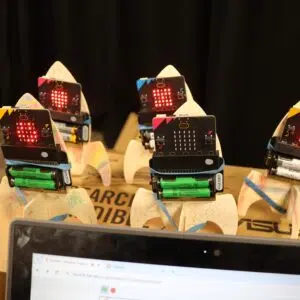
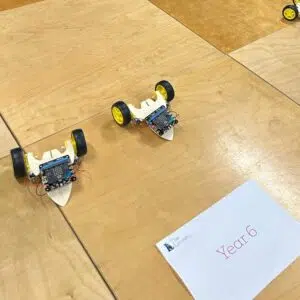
  • Mars rovers: pupils programme remote-controlled rovers to navigate a model Martian landscape.
  • Circuit instruments: children design and build musical instruments using simple circuits, combining science, engineering and music.
  • Automaton toys: pupils design and make mechanical toys with moving parts, learning about cams, levers and linkages.
  • Coded geometric art: children write code to create geometric patterns and artworks, bringing maths and art together.
  • Dragons’ Den pitches: older pupils develop an innovation and pitch it to a panel, building confidence in presenting and persuading.

How STEAM Connects to Our Topic-Based Curriculum

As a topic-based curriculum prep school in the City of London, The Lyceum School links STEAM projects to what children are learning across the curriculum. When a class studies space, rovers take on Mars. When a topic explores sound, circuits become instruments. These links help children see how knowledge connects and why it matters.

STEAM also supports our work as an eco-prep school in London, which earned an Eco-Schools Green Flag with Distinction in 2024. Pupils investigate real environmental problems, such as the plastic pollution Year 1 study in their “Off to Sea” topic, and design their own solutions. Find out more about our curriculum and sustainability work.

How We Assess STEAM Skills

STEAM is about more than knowing facts, so we assess the skills that matter most: critical thinking, creativity, collaboration and problem-solving. Teachers use a range of methods:

  • Projects in Google Classroom: pupils upload their work so teachers can track progress over time.
  • Observation: teachers assess both the finished product and the process behind it.
  • Peer and self-assessment: children learn to give and act on constructive feedback.
  • Presentations and pitches: pupils explain their thinking, building confidence in speaking.
  • Custom rubrics: clear success criteria for each project.

STEAM Week and Beyond

Each year, STEAM Week brings the whole school together. In January 2026, our Year 3 pupils welcomed friends from St Luke’s Primary School and Eaton Square Prep School for a day of workshops, including Colour Chemistry and coding light patterns in The Owlery, followed by a STEAM Fair where every pupil showed their work. Read about STEAM Week 2026.

The learning continues after school. Our extracurricular clubs include Computer Club, Model Building, Design with Lego and Lego Club, giving children even more time to create and experiment.

Recognition for STEAM at The Lyceum School

The Good Schools Guide highlights The Lyceum’s “exceptional provision for STEAM“, and Muddy Stilettos described us as “a vibrant, family-focused modern Prep where STEAM, sustainability and wellbeing are a priority.” If you are looking for the best prep school for STEAM, comparing progressive prep schools in the City of London or searching for a creative prep school in London, we invite you to see The Owlery for yourself.

See our Awards and Achievements

Frequently Asked Questions About STEAM

What does STEAM stand for?

STEAM stands for Science, Technology, Engineering, Art and Maths. It is an interdisciplinary approach in which children use all five subjects together to solve problems and create things. At The Lyceum, we teach STEAM weekly from Reception to Year 6 in The Owlery, our dedicated STEAM Studio.

What is the difference between STEAM and STEM?

STEM covers science, technology, engineering and maths. STEAM adds the Arts, bringing in design, creativity and communication. Adding the “A” helps children think imaginatively, test more than one solution and explain their ideas clearly – skills that matter just as much as technical knowledge.

What will my child do in STEAM lessons at The Lyceum?

Children learn by making. Recent projects include programming remote-controlled Mars rovers, building musical instruments with simple circuits, designing mechanical automaton toys and creating geometric art with code. Older pupils also develop their own inventions and pitch them in a Dragons’ Den-style format.

Who teaches STEAM at The Lyceum?

Paul Clifford leads STEAM as our Head of STEAM and Computing. He is a qualified teacher and creative technologist who previously served as Digital Learning Manager at the British Museum and the Museum of London, and as Schools Officer at the V&A.

At what age do children start STEAM?

Children start STEAM in Reception, at age 4, with a weekly lesson alongside Spanish, Music, PE and Yoga. The curriculum builds year by year, so by Year 6, pupils confidently code, design, and present their own projects.

How is STEAM assessed?

We assess critical thinking, creativity, collaboration, problem-solving, and knowledge. Teachers use projects uploaded to Google Classroom, observations of the process and finished product, peer and self-assessment, presentations, and custom rubrics for each project.

Does STEAM help with the 11+ and senior school?

STEAM develops reasoning, resilience and the confidence to explain ideas, all of which help children in 11+ assessments and interviews and in the move to senior school. It sits alongside strong teaching in English and Maths, which remain at the heart of our 11+ preparation.

Can I see The Owlery before applying?

Yes. Every Open Morning includes a tour of The Owlery and our classrooms, and the chance to hear from our Headmaster, Mike Stanley. You can also arrange a private visit through our Admissions team.

Visit Us

If you are exploring independent primary schools in London, we would love to welcome you to The Lyceum School. Book an Open Morning, arrange a private tour or contact our Admissions team.

Book an Open Morning   Download our Prospectus  Discover our Partner Nursery

The Lyceum School, 65 Worship Street, London EC2A 2DU

Telephone: 020 7247 1588 | Email: registrar@lyceumschool.co.uk